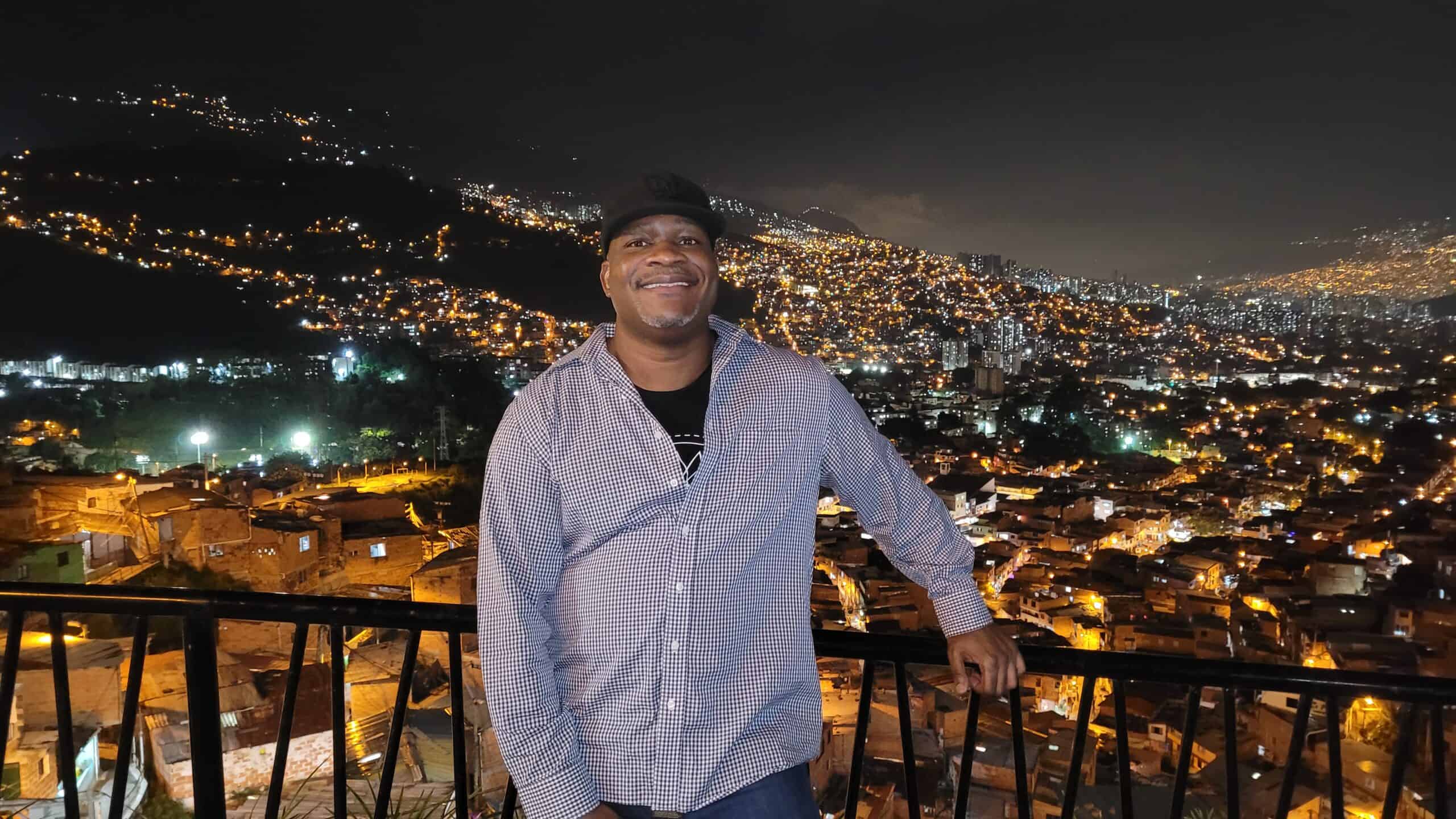
Six Years in Colombia, Five Cities. Honest, Independent Help for Americans — Moving, Medical Care, and Investing.
I’m Shep. I help Americans get three big Colombia decisions right — relocating, medical and dental care, and investing — by cutting through the expensive traps, the outdated visa advice, and the neighborhood myths. The advice is independent: I take no commissions or kickbacks from agencies, developers, or clinics.
How I make money — and how I don’t.
The Field Guide is free — it’s how most people get oriented. The business runs on two things only: paid one-on-one calls and a few paid guides. I don’t take commissions, referral fees, or kickbacks from relocation agencies, developers, or clinics — so nothing I tell you on a call is steered by who’s paying me. The only person paying me is you — which is exactly why I can give it to you straight.
Why I Left the US
Plenty of people dream of a better life abroad. I didn’t leave the United States chasing a fantasy — I left because the math stopped working.
The six-figure life that stopped adding up
On paper I was doing it right. I had the six-figure tech income, the career moving in the right direction, the savings, the plan. And it still felt like a loop: work, expenses, the next promotion, the rising cost of everything, a culture that treated “more” as the only acceptable direction and never once let you feel finished. I kept running the numbers on the life I was supposed to want, and the numbers kept coming back wrong.
2020, a layoff, and a health scare
It started in 2020. The isolation of that year gave me room to actually think, and the layoff that followed turned that thinking into a decision — instead of chasing the next role, I used the opening. Then in 2022 a health scare put me through two surgeries and forced the questions most people spend years avoiding. I didn’t want to recover inside the same machine that had burned me out. I wanted somewhere quieter, slower, and a great deal less expensive. And the lifestyle I found in Colombia is what kept me from moving back.
If any of that sounds familiar, you’re not alone in it — and this isn’t just anecdotal. A third of Americans now say they’d like to settle in another country (Monmouth University, 2024) — up from roughly one in ten fifty years ago. In a 2025 Harris Poll of over 6,300 Americans, nearly half (49%) pointed to lower living expenses as a reason for considering a move abroad. Those are real numbers. What follows is one person’s version of acting on it — and getting it right.
Why I Stayed
In 2020, I came to Colombia to experience the salsa capital of the world, Cali, to check out the capital city of Bogota, and to experience Barranquilla and Carnival. I’d already been to more than 20 countries by then, so I wasn’t easily impressed. The low cost of living is what got my attention — but it’s not what made me stay.
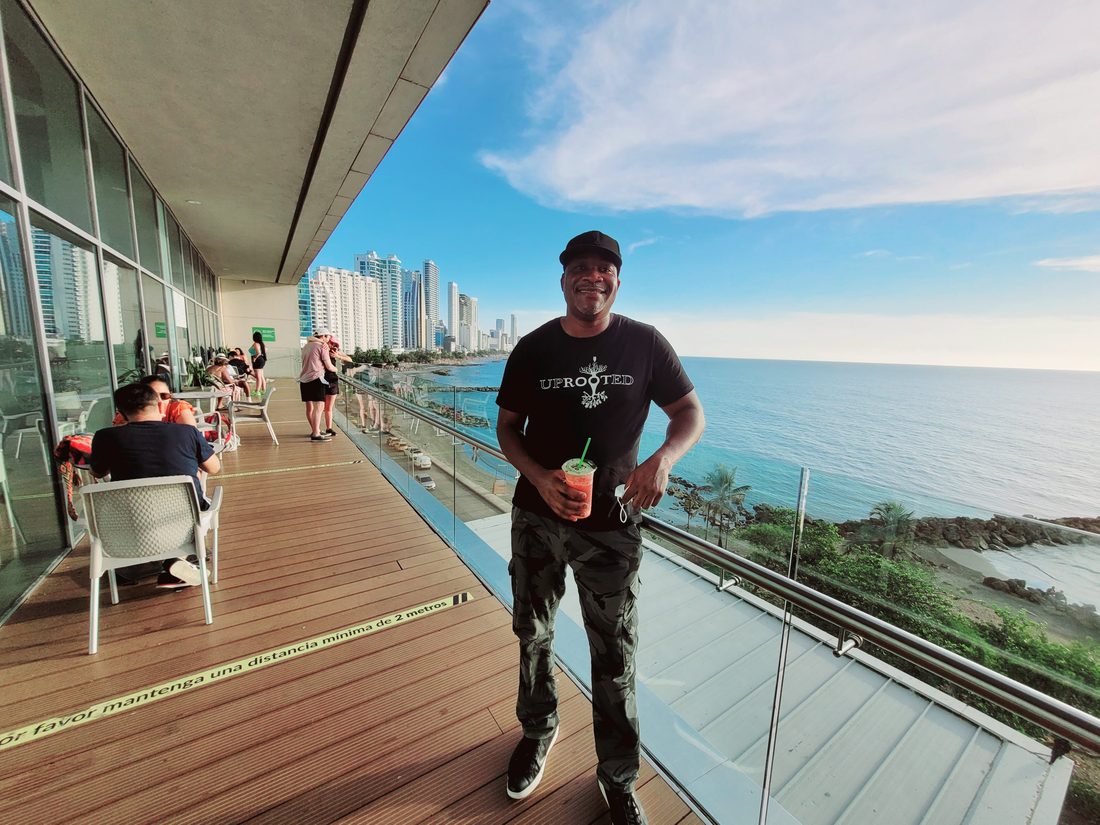
What made me stay in Colombia
What made me stay was everything the cost-of-living posts leave out. The country is genuinely beautiful — beaches on two coasts, the Andes mountains, and cities like Pereira, Medellin, and Bucaramanga that have eternal spring weather. Its biodiversity is among the richest on earth, and the regional cultures are wildly different from the Caribbean coast to the coffee region. The people are warm and quick to include you. And the culture is more family-oriented and far less obsessed with wealth and status than in America.
What life in Colombia actually costs
The money still matters, so here’s what it looks like in practice:
An upscale apartment for around $650 a month. A good meal at a restaurant overlooking the sea for $5. A trainer who comes to the apartment for $150 to $200 a month. Health insurance for under $200. No car needed in most cities — Ubers that run under $5. People call it geo-arbitrage. I call it the difference between working just for dollars and having my dollars work for me.
Those numbers are real — but they only work if you know how to find them. The right neighborhood, and the fair price instead of the gringo price. That’s the whole value of having done it: I can save you the months and the costly missteps and help you get it right the first time. If you want the honest breakdown, here’s what the cost of living in Colombia actually looks like. Six years and five cities later, Colombia stopped being a project and became home.
Why GeoGringo Exists
I didn’t get everything right on the first try. I learned Colombia the expensive way — by living it: five cities, neighborhood research, rental contracts, dating, budgeting, and staying safe. I got plenty wrong before I got it right, and my advice comes from that — real life, refined over six years. I figured out the right neighborhoods. I bought a pre-construction condo in Cartagena and sold it at a profit before the building was even finished, because I’d picked a project that sold out early. I’ve been through the visa process, used the healthcare system as a patient, and built a dream life here. Want to know more? Call me and I’ll tell you all about it — the good, the bad, the ugly, and the fantastic.
The reason I started GeoGringo is simple: the free content out there told me Colombia was cheap and beautiful and skipped the important things you actually need to know — the visa rules, Colombian income tax, the banking and money-transfer limits nobody warns you about, that there are far more cities worth considering than just Medellin, Cartagena, and Bogota, and which neighborhood is calm versus which one has a man screaming about avocados under your window at 7 a.m.
GeoGringo is the site I wish I’d had: real information from someone living here, not a highlight reel and not generic advice rewritten from other people’s posts. If you’re an American considering Colombia for medical care, a move, or an investment, the whole point of this site is to help you get it right the first time — whether you’re looking into medical tourism in Colombia, planning a move to Colombia, or evaluating how to invest in Colombia.

What Actually Qualifies Me
Most advice about Colombia is written by people who never had to deal with the things below. This isn’t a credential in the licensed sense. It’s something harder for a blog to fake: having actually done it.
Real transactions, start to finish
- Bought a pre-construction condo in Cartagena and sold it at a profit before the building was finished — the full foreign-buyer process, with the funds registered through Banco de la Republica
- Helped American friends buy property in Colombia (Santa Marta)
- Bought and sold a car here — the full RUNT registration and transfer, start to finish
Time on the ground
- Six years living in Colombia, full-time and part-time, with a current Colombian visa
- Lived in five cities — Medellin, Cartagena, Barranquilla, Cali, and Pereira — currently based in Pereira
- Traveled end to end through 25+ Colombian cities and towns, well past the Cartagena-and-Medellin tourist loop
- Visited 20+ other countries before I settled here, so I had something to compare it to
- Spanish I taught myself before I ever moved — functional, not “100% fluent”: enough to read a lease, handle my banking, and deal with clinics directly
The real situations most people don’t see until they’re in them
- Used Colombian healthcare as a private-pay patient — including while on a tourist visa — for specialist, diagnostic, and surgical care
- Carried a Colombian private health plan (prepagada) and travel insurance, and paid out of pocket when that made more sense
- Went through the visa process and a DIAN tax-residency filing myself, and resolved a tourist overstay in person at Migracion Colombia
- Rented as a foreigner in several cities — learning the estrato tiers and the fiador (guarantor) requirement landlords put on foreigners
- Adjusted to Colombian culture for real — the pace, the customs, building a life beyond the expat bubble through salsa, language exchanges, and local friends
- Dated here and used the apps, so I know Colombian dating culture and the real risks first-hand — including the dating-app danger the US Embassy has formally warned Americans about
If you’re considering a move, a procedure, or real estate here, the fastest way to skip the guesswork is to talk to someone who’s already done it.
Book a CallA Few Things I Learned the Hard Way
I’ve learned to make moves that kept me safe and successful here — but not all of them on the first try. These are the ones worth passing on, because they’re the kind of thing nobody tells you and they’re easy to get wrong:
Four Colombia mistakes worth knowing first
- The estrato system. My first Airbnb condo looked great. What I didn’t fully understand was what Colombia’s estrato (socioeconomic stratification) rating was actually telling me about the building and the area around it. It’s a signal you learn to read — and it changes how a place feels to live in. Listing photos don’t carry sound, either: barking dogs, loud music, and street noise are things you only find out by knowing which questions to ask first.
- Gringo tax. Foreigners routinely get quoted more than the normal price, simply for being foreign. Almost everything is negotiable, and knowing that — and knowing the real price — saves real money.
- New-construction timing. On a pre-construction build, the price climbs every four to six weeks as the project moves toward completion. Buying early is the win. And if you’ve missed the early window, there are still negotiation tactics I wish I’d known when I bought — that’s exactly the kind of thing worth a conversation.
- What an overstay actually costs. I overstayed my tourist permission twice. The first time, in 2021, the officer at the airport just let me leave — no fine. It would be easy to take that as the rule. It isn’t. The second time, in 2024, I overstayed while dealing with a heart condition, then went to Migracion Colombia in 2025 and resolved it the right way: a fine of roughly $700 USD, and a salvoconducto — a short-term permit — that let me apply for my visa properly. Same mistake, two outcomes. Knowing how that system actually works means it’s a manageable step, not a disaster.
None of these are dealbreakers — they’re just the things worth knowing before they cost you time or money. Knowing them ahead of time is most of what a call is for.
Is This For You?
This is for you if…
- You’re an American seriously considering a move, medical or dental care, or real estate in Colombia
- You’re comparing the real costs and tradeoffs against staying in the US
- You’re tired of vague YouTube and blog advice and want it straight from someone living it
- You’d rather get it right the first time than learn the expensive way
This isn’t for you if…
- You’re a short-term tourist looking for a trip itinerary
- You want a done-for-you relocation or visa service that handles everything
- You want guarantees, not a straight conversation about real tradeoffs
- You’re not willing to make decisions with some normal uncertainty
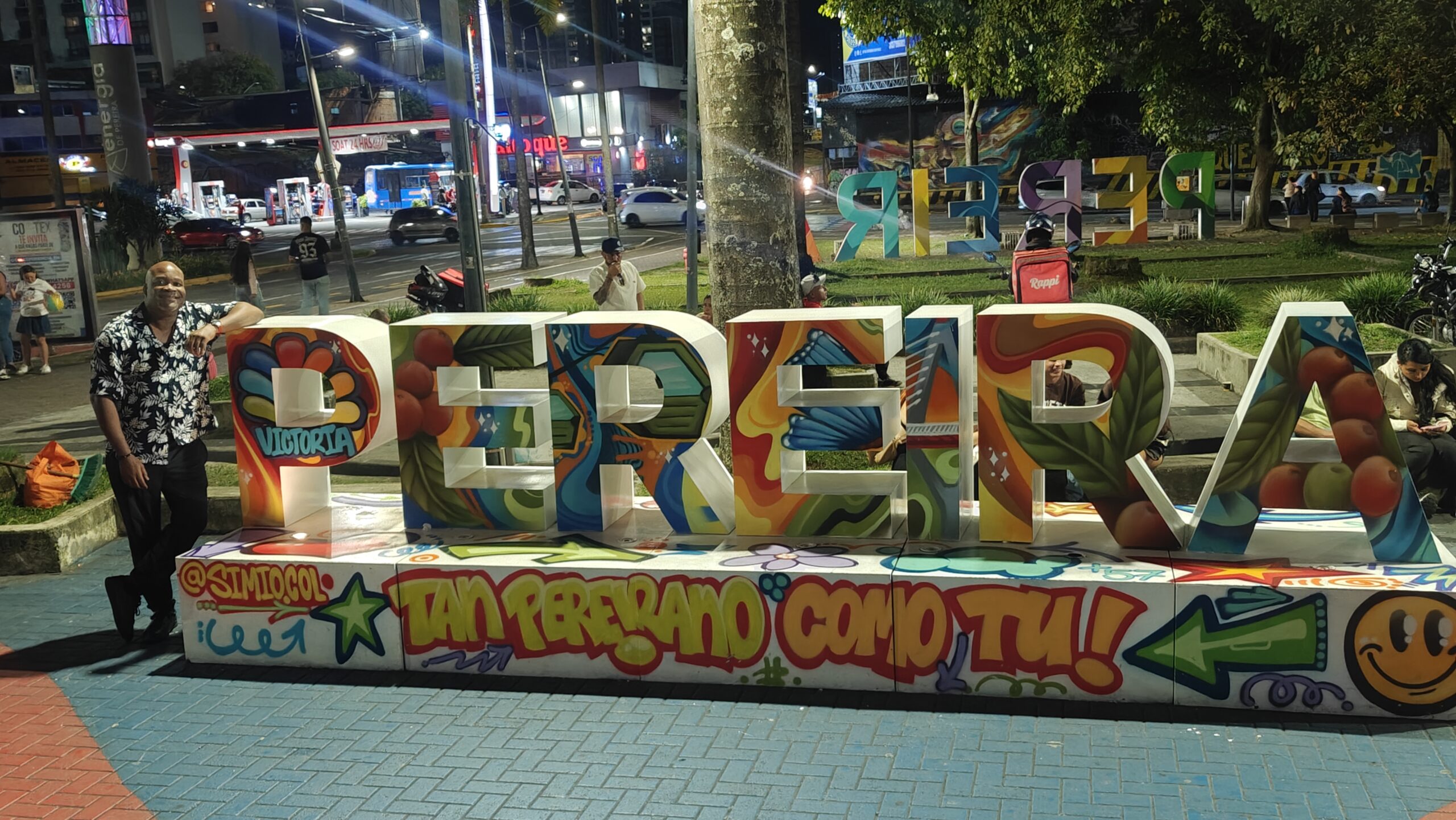
What I Am, and What I’m Not
You don’t really know how any of this works until you’re the one in the moment — at the notary about to sign the escritura, at the airport answering a migration officer’s questions, or explaining your health history just to qualify for an insurance plan. I’ve been in all three. That’s where my advice comes from.
So let me be just as clear about what I’m not. I don’t sell insurance. I don’t represent any surgeon or clinic. I’m not a relocation agency, and I don’t sell apartments. I’m not pretending to be something I’m not — I’m an investor, a patient, and an American who actually left the US and moved here. I’ve dealt with Migracion Colombia, the DIAN, the RUNT, and Banco de la Republica firsthand, so the guidance comes from doing it, not reading about it. On a call, we have a real conversation about your situation — your plans, your budget, and honestly, your fears, because there are always some. I don’t replace your need for a Colombian lawyer, doctor, or accountant; for anything that needs one, I’ll tell you so plainly. I tell you how I did it and what I’d do in your position — everything from which pharmacy to call to how to vet a private school to what dating here is actually like.
If you want guarantees, this isn’t that. If you want a straight conversation with someone who’s living it, that’s what I offer.
Why People Pay Me — When So Much Information Is Free
Fair question. Much of what I know is on this site for free, and the Field Guide covers the foundation. So here’s the honest line between the two.
What the free content does
Tells you how Colombia works in general — the costs, the visa paths, the things to watch for. It’s enough to get oriented and to know what questions to ask. Some people never need more than this, and that’s fine.
What a call does
Looks at your exact situation — your visa fit, your budget, your shortlist of cities, your specific type of investment or category of surgery — and tells you what to watch out for before you fall for a scam or lose time and money. It cuts through months of YouTube and research, with someone actually living here.
The free content answers “how does this work?” A call answers “here’s how I’d do it in your situation.” Most people who book aren’t short on information — they’re about to act, and they’d rather talk it through with someone actually living here than guess.
What a Call Actually Answers
A call isn’t a sales pitch or a generic overview — it’s your exact situation, across whichever of the three reasons people come to Colombia fits you: relocating, medical or dental care, or investing. A few of the questions I get asked most:
- How much money do you actually need to live comfortably in Colombia? Your real monthly budget for the city and the lifestyle you want — not a generic number off a blog.
- Can you really save on dental work in Colombia, and by how much? What implants, crowns, and similar work cost here versus the US, and how to vet the clinic before you book.
- Which medical procedures are cheapest in Colombia versus the US or Canada? Where the savings are genuinely large, where the trip isn’t worth it, and what to ask before you fly.
- Is a specific property worth it — and will it qualify for the investor visa? The 2026 threshold, the Banco de la Republica registration step, and the mistakes that sink applications.
How to Use This Site
Start with the free Field Guide
Real current costs, the legal visa paths, and the year-one mistakes that cost the most. Most people start here.
Read up on what you’re considering
Honest, detailed guides on medical care, relocation, and investment in Colombia.
Book a call when you want clarity
Whenever you need clarity, or you’re ready to act on relocation, a medical or dental procedure, or an investment — that’s what a call is for.
Straight Answers About GeoGringo
The questions people reasonably ask before trusting anyone on this subject.
Is Shep a real person?
Yes. Shep is an American who left a tech career in Los Angeles and has lived in Colombia for six years across five cities — Medellin, Cartagena, Barranquilla, Cali, and currently Pereira. The experiences on this site are first-hand: a pre-construction property bought and sold at a profit, a car bought and sold, the healthcare system used as a patient, the visa process navigated personally.
Is Shep a lawyer or a relocation agent?
No — and that’s deliberate. I’m not an immigration lawyer, a relocation agency, or a licensed advisor, and I don’t replace your need for a Colombian lawyer, doctor, or accountant. What I offer is lived experience: how I did it, what I’d do in your position, and what to watch for. For anything that needs a licensed professional, I’ll tell you that plainly.
Does GeoGringo take commissions or kickbacks from agencies or developers?
No. I don’t sell property, visa processing, or relocation packages, and I’m not paid commissions, referral fees, or kickbacks by service providers — so there’s no incentive steering the advice. The Field Guide is free; the business runs on paid one-on-one calls and a few paid guides. That’s the whole business, stated plainly.
Choose Your Path
Wherever you are, there’s a next step that fits — and neither one locks you into anything.
Ready to move forward
You’re seriously considering a move, a procedure, or a property, and you want your specific situation mapped out — the visa that fits, the budget, the city, the mistakes to dodge — before you commit money. Let’s map your blueprint on a call.
Book a CallStill exploring
Not ready for a live call yet? Start with the raw field data: real current costs, the legal visa paths, and the first-year mistakes that cost the most — the same foundation everything else here is built on.
Get the Free Field GuideDisclaimer: I’m an independent advisor sharing firsthand, on-the-ground experience — not formal professional advice. I’m not a licensed attorney, medical practitioner, or accountant in Colombia or the United States. For formal legal filings, medical evaluations, or tax returns, you’ll need a licensed Colombian professional; on a call I’ll tell you so plainly and help you understand what to look for before you hire one.
GeoGringo · About · v15 · last reviewed June 2026
